
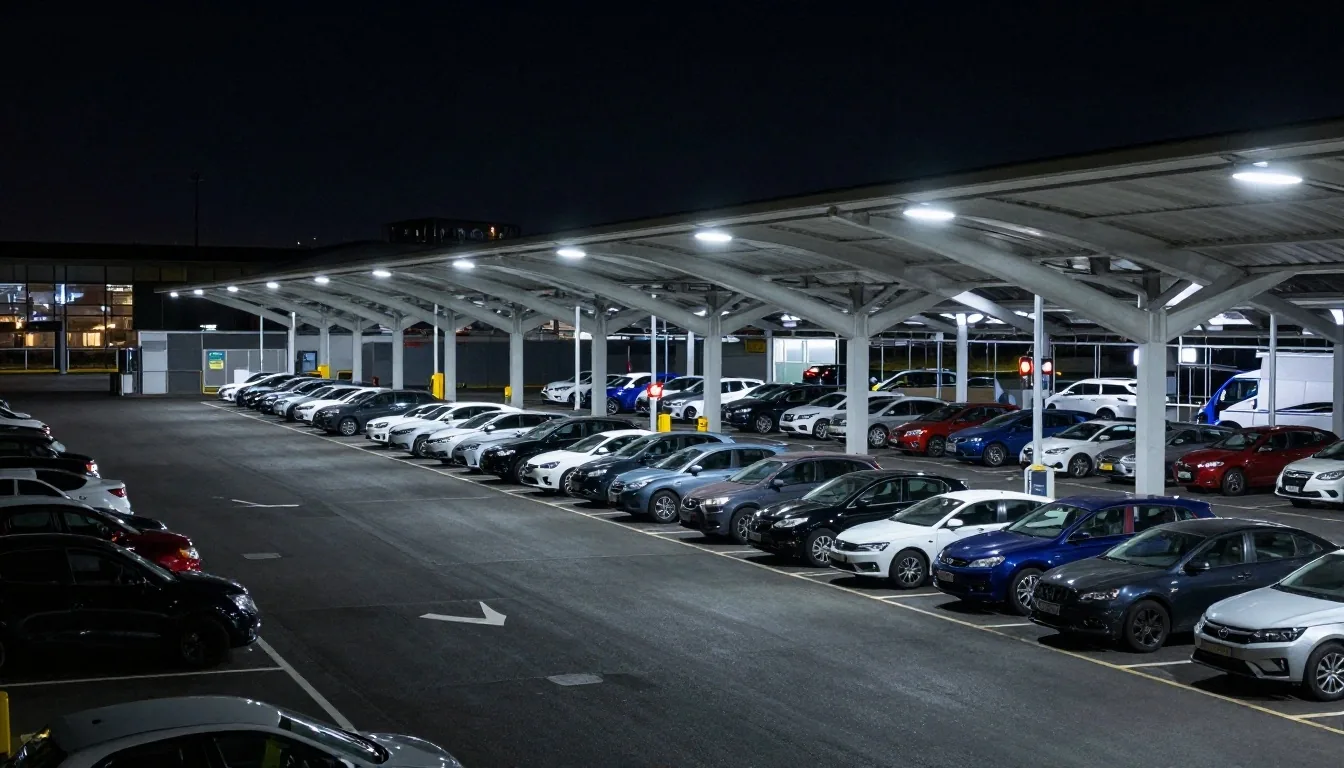
Long Term Parking at Melbourne Airport
Long stay parking is the sensible default for holidays and multi-week trips, but "long stay" covers more than one product at Tullamarine. This page looks at what multi-day parking involves, how the shuttle works, and how to plan your arrival so the parking leg does not become the stressful part of the trip.
What counts as long term here
Anything past a day or two usually lands in long-stay territory. The airport's own long stay and value car parks are built for it, and off-site operators compete for the same trips. The defining feature is that you leave the car for days rather than hours, and you reach the terminal by shuttle rather than on foot.
Once you accept the shuttle, the price drops sharply. That is the core trade-off at Tullamarine: you trade walking distance for a lower daily rate, and the longer you stay, the more that rate matters. For a one-night trip the difference is modest. For a fortnight it is the difference between a reasonable parking bill and one that rivals the flight itself.
Melbourne Airport parking options for long stays generally fall into two groups. On-airport long stay puts you inside the airport perimeter with a short shuttle ride or bus connection. Off-site operators sit on the surrounding streets of Tullamarine and Sunshine West, running their own shuttle loops. Both serve the same purpose, but the experience differs in transfer time, operating hours, and how early you need to book.
How the shuttle actually works
You drive to the car park, park where directed, and take your luggage to the shuttle stop. The shuttle runs a loop to the terminals, typically every 10 to 20 minutes depending on the operator and the time of day. On return, you call or wait at a designated pickup point and the shuttle brings you back to your car.
The loop is simple, but it is a shared service, so it stops when it is full and runs on its own schedule. During school holiday peaks the first shuttle of the morning can fill before everyone boards, which means waiting for the next one. That is not a failure of the operator — it is the nature of a shared loop serving a large car park full of travellers all leaving at similar times.
Most operators quote a transfer time of 5 to 15 minutes, but airport approach traffic can extend that during the morning and evening rush. Build in a buffer rather than relying on the quoted time, especially if you are travelling with children, bulky luggage, or sports equipment that slows the walk from shuttle stop to check-in.

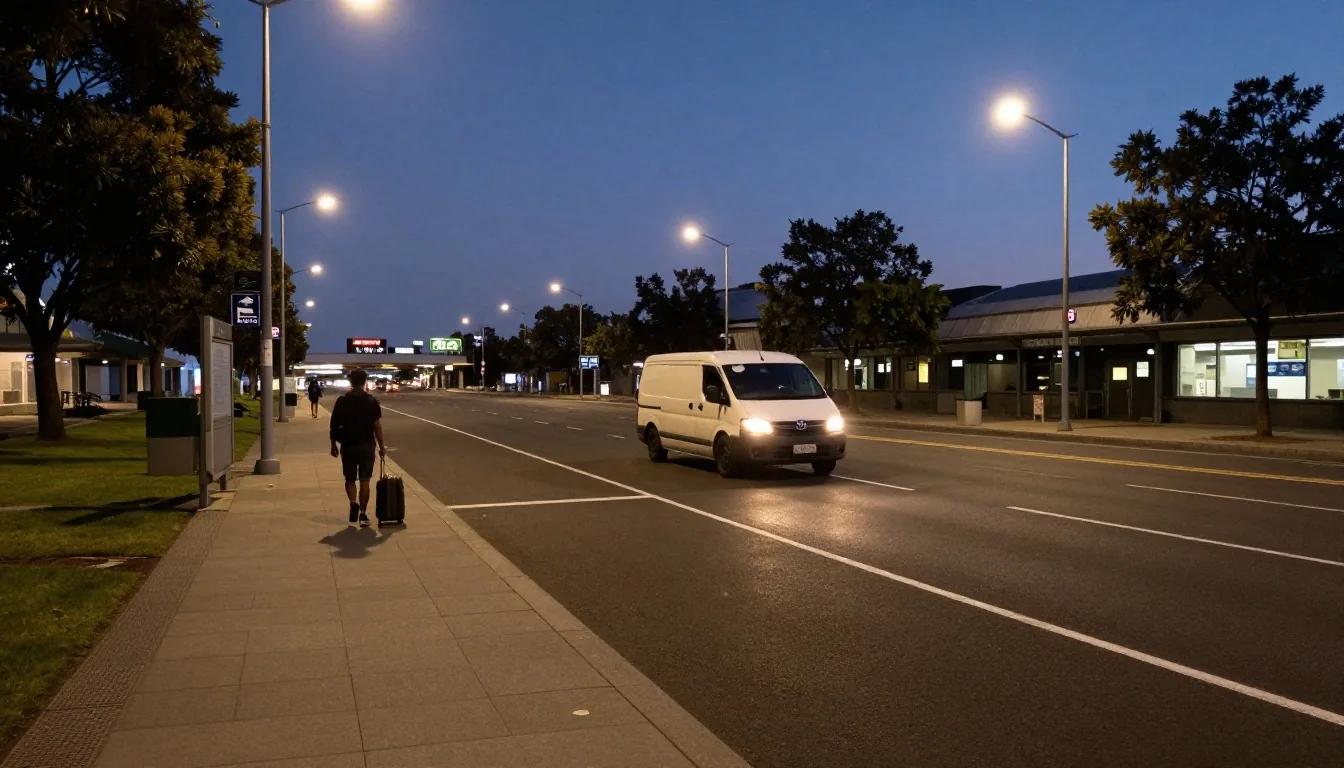
Planning around an early flight
An early departure is where shuttle parking gets tested. If your flight leaves at 6 am, you need to be at the terminal by about 4 am, which means parking the car around 3:30 am. Confirm before booking that the shuttle runs then and how often. Some off-site operators do run 24 hours; others start later.
If the hours do not fit, terminal-side parking removes the problem, at a price. Walking to the terminal from a nearby car park at 4 am is straightforward, and there is no shuttle schedule to misread. The trade-off is cost: terminal-side rates run noticeably higher per day, and over a two-week stay that adds up fast.
Planning around a late return
The same logic applies in reverse — but at the end of a long flight, judgement is not at its best.
A flight landing at 11:30 pm means collecting luggage, reaching the shuttle stop, and waiting for the loop. Late-night shuttle frequency is often lower than daytime frequency, and some operators switch to an on-call service after a certain hour. You may need to phone the car park from the pickup point rather than simply waiting.
If you are returning alone, late, and tired, paying for a car park you can walk to may be worth more than the savings. The walk from a terminal-side car park to your vehicle is short, well-lit, and does not depend on anyone else. After a long-haul flight that simplicity has real value.
Decide this before you book, not at the pickup point. Read the operator's return transfer hours carefully, and save the return pickup phone number somewhere you can reach without mobile data — SIM cards and roaming signal are not reliable after a 14-hour flight.
Why booking early matters for long stays
Long stays accumulate cost daily, so the daily rate matters more than it does for a one-night trip. A difference of three or four dollars per day becomes thirty or forty over a fortnight. Booking a month or more ahead is the most reliable way to pay less, and it protects your space during school holidays and the December peak, when long-stay car parks fill days in advance.
The upfront payment is usually non-refundable or limited in changes, so confirm your dates before you commit. For long stays, that is a reasonable trade — you are locking in a rate that will almost certainly be higher if you turn up on the day. The risk is a changed flight, not the rate itself.
Off-site operators tend to release their best rates earliest, sometimes six to eight weeks before travel. On-airport long stay rates are more stable but still climb in the final two weeks. If you are travelling in late December or January, book as soon as your dates are firm — that window sells out first across Tullamarine every year.
Covered or uncovered for a multi-week trip
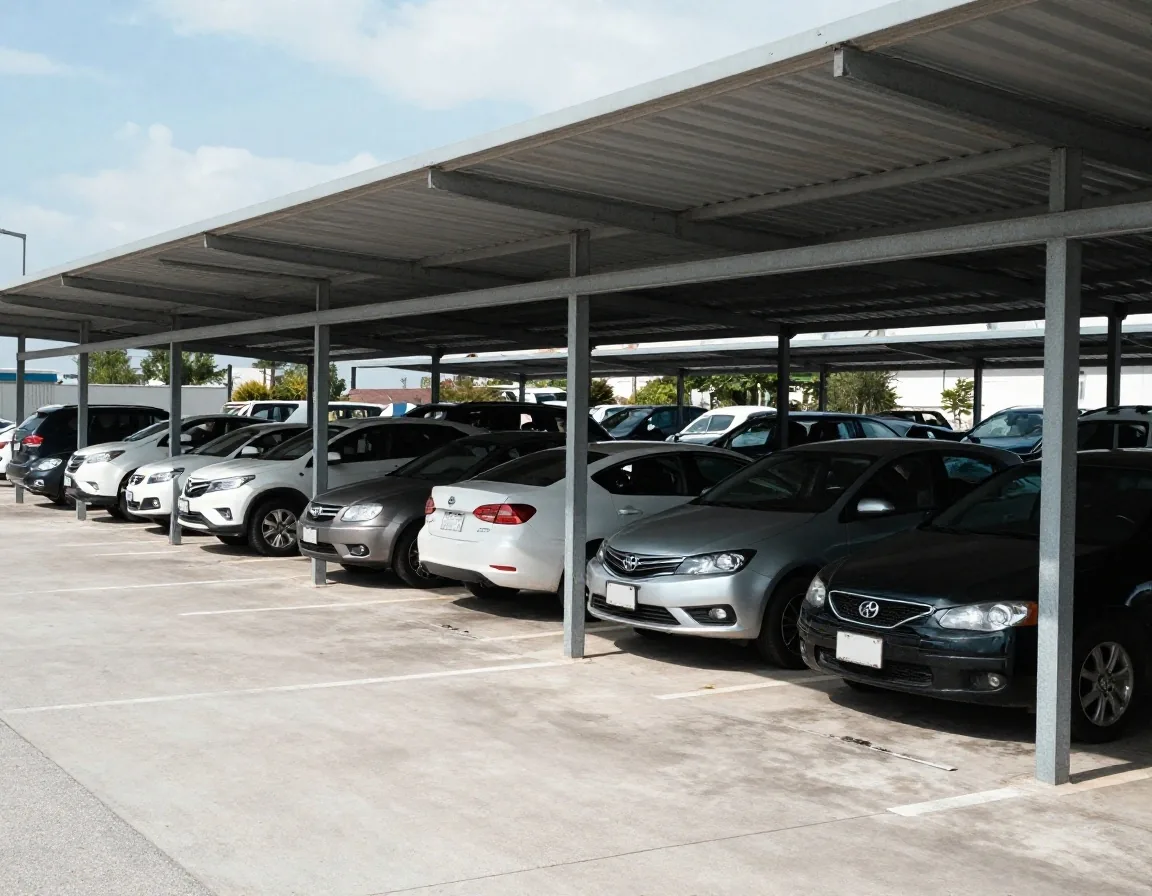
Over two or three weeks, uncovered parking exposes the car to sun, rain and, in Melbourne, hail. Summer UV degrades dashboards and paint; winter storms can leave the car sitting under water or debris. Covered parking costs more per day, and over a long stay that difference is significant.
Check what the covered option actually is. A purpose-built structure with a solid roof and walls is not the same protection as a fabric canopy that stops rain but lets wind-driven hail through at an angle. Some operators list both as "covered" without distinguishing between them, so it is worth asking directly before you book.
If hail risk worries you, ask what cover the car park provides and whether it is on site or at a partner location. Melbourne's hail season runs from October through April, and a single storm can cause thousands in panel damage. The extra daily cost of genuine covered parking is cheap insurance against that.
Quick check: when comparing covered options, ask whether the roof is solid or fabric, whether the sides are enclosed, and whether the bay is reserved or first-come. All three affect what your car actually looks like when you return.
Security and what to leave in the car
Long-stay car parks are generally fenced and, in many cases, monitored. They are still car parks.
Do not leave valuables visible, and take anything you would miss with you. Remove or hide dash mounts and charging cables — these signal that a device might be stored in the glovebox or under a seat. Even a pair of sunglasses on the passenger seat is enough to invite a break-in over a two-week stay.
Check whether the car park is staffed, gated or camera-monitored, and whether access is restricted outside operating hours. These details are usually on the operator's site, but they are worth confirming by phone if the listing is vague. A gated car park with a single entry point and CCTV across the aisles is meaningfully different from an open lot with a boom gate and no on-site presence.
- Take all valuables with you — phones, laptops, sunglasses, loose change.
- Remove dash mounts, charging cables, and GPS cradles from sight.
- Lock the glovebox and leave it empty if possible.
- Note the car park's after-hours contact number before you fly out.
- Photograph where you parked — the bay number, the nearest aisle marker, and the shuttle stop.
What to prepare before you drive in
Have your reference ready
Print or screenshot your booking confirmation. Mobile signal at the entry boom gate is not guaranteed, and the QR code on paper saves fumbling.
Note the car park address
Save the operator's street address, not just the airport's. Off-site lots are on surrounding streets and easy to miss in the dark.
Add 30 minutes on first visit
Finding the entrance, the shuttle stop, and the correct bay takes longer than expected. Build that buffer into your departure time.
Save return pickup details
Store the return shuttle instructions where you can reach them without phone signal. A printed note in your wallet works when roaming does not.
Long stay versus a taxi or rideshare for a two-week trip
For a fortnight, the comparison is not just between car parks. A return taxi or rideshare from many Melbourne suburbs can cost more than two weeks of long stay parking, and it does not leave you with a car at the airport. For a single traveller on a short trip, the reverse is often true.
The crossover point depends on your suburb, the time of day, and surge pricing. A family of four travelling from the eastern suburbs for a two-week holiday will almost always save by driving and parking long stay. A solo traveller flying out for a long weekend from Brunswick may find rideshare cheaper and simpler.
Run both numbers for your own suburb and trip length before deciding. Factor in the return leg too — surge pricing on a Friday evening arrival from the airport can double a rideshare fare, while your long-stay parking rate is already locked in.
When long stay parking usually wins
- Trips of seven days or more from outer suburbs
- Families or groups sharing one car to the airport
- Return flights landing outside rideshare surge windows
- Trips where you need a car immediately on return
When rideshare may win
- Solo travellers on trips under four days
- Departures from inner suburbs close to the airport
- Off-peak flights with no surge on either leg
Long stay parking, answered
How long does the shuttle take to the terminal?
Most operators quote 5 to 15 minutes for the transfer. Airport approach traffic can extend that during peak hours, so build in a buffer rather than relying on the quoted time. If your shuttle stop is at the far end of a large car park, add another few minutes for the walk from your bay to the bus.
Is long stay parking secure?
Long-stay car parks are typically fenced and often monitored or staffed, but they are open car parks. Leave nothing valuable visible in the car and confirm the specific security arrangements with the operator. Ask whether the site is gated outside operating hours, whether cameras cover every aisle, and whether staff live on site overnight.
Can I extend my booking if my trip runs longer?
That depends on the operator's terms. Some allow changes or extensions with notice, some do not. Check the change and extension policy before you book, especially for a multi-week stay. If there is a chance your return date will shift, look for an operator that permits date changes without a fee rather than locking in the cheapest non-flexible rate.
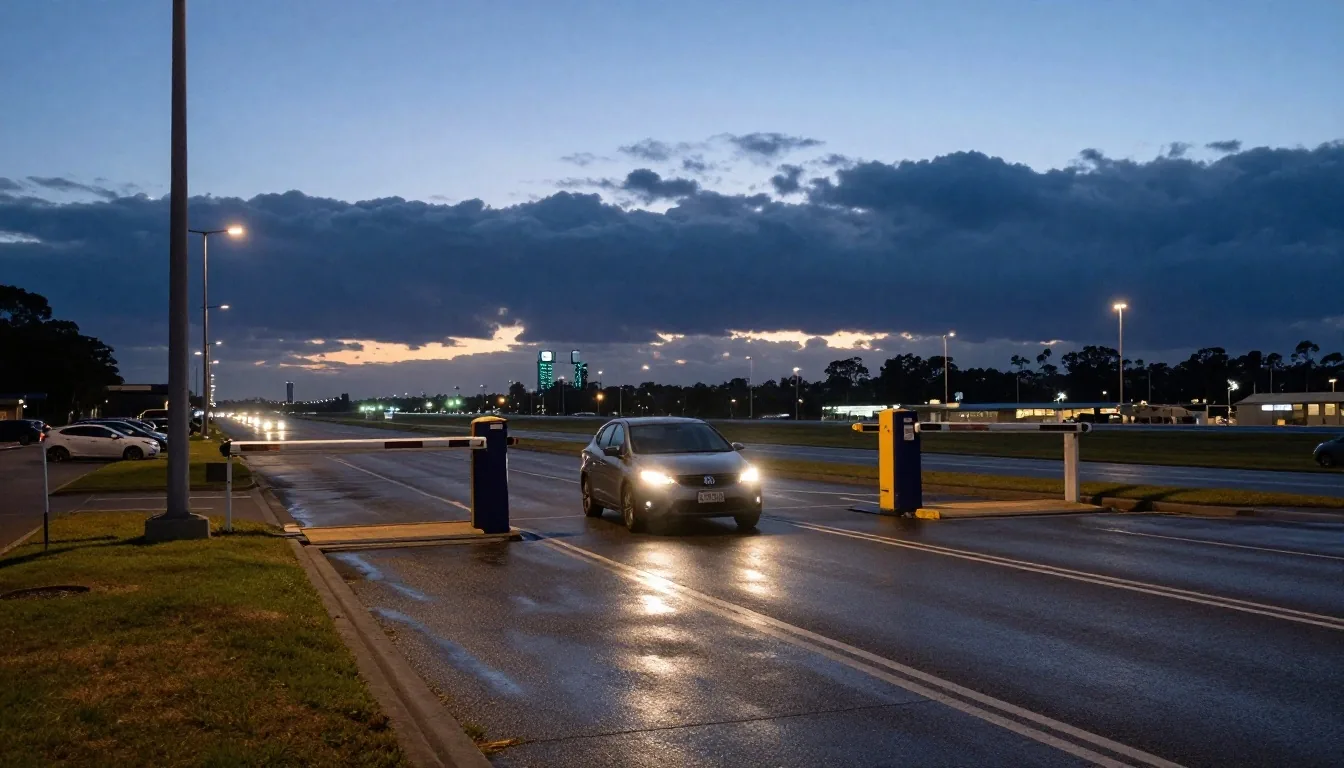
Ready to compare your Melbourne Airport parking options?
Walk through the full set of short stay, long stay, and terminal-side car parks side by side, then follow the booking steps to lock in your space before you travel.
Melbourne Airport Parking Guide — Arrivals Drive, Melbourne Airport VIC 3045, Australia
Open 24 hours, 7 days a week · +61 3 9297 1600 · [email protected]